
Improving communication and collaboration in business waste services through service design
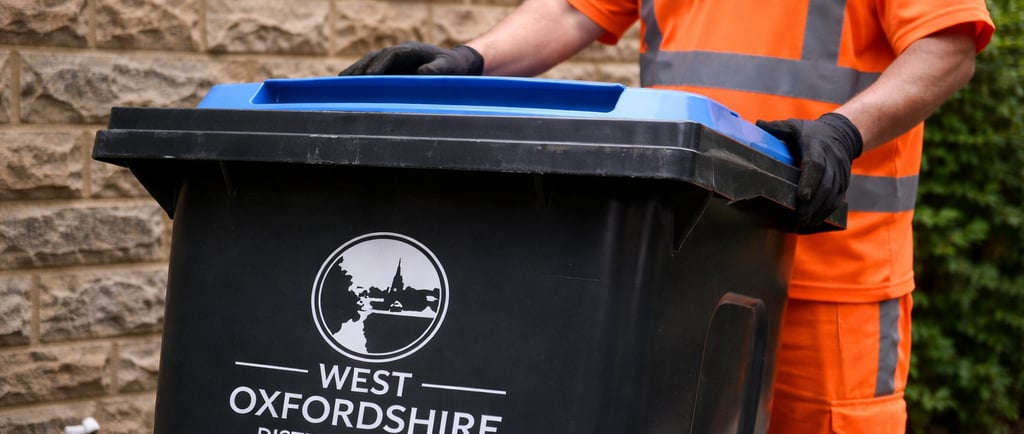
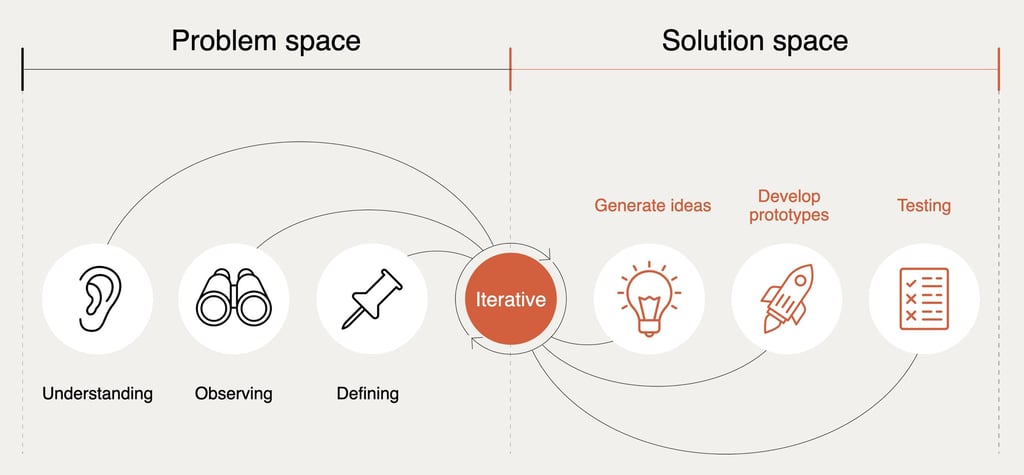
User research to understand business waste management needs and pain points: User research shifts the conversation from assumptions to evidence. In business waste, this means going beyond surface-level needs and understanding how waste is actually generated, handled, and experienced within a business. Interviews, site visits, and observations reveal the workarounds, constraints, and behaviours that don’t show up in contracts or service specs. It becomes clearer where confusion happens, where processes break down, and what businesses actually value. This insight allows service providers to design services that fit into operational contexts rather than forcing businesses to adapt to poorly aligned systems. It also creates a shared understanding that improves communication from the outset because both sides are working from the same picture.
Co-creation workshops for businesses to engage in the service design process: Instead of designing services in isolation, providers bring businesses into the process and treat them as active contributors. When businesses and service providers sit together to map journeys, explore pain points, and generate ideas, the dynamic shifts from transactional to collaborative. Workshops create space for different perspectives to surface, often revealing gaps or opportunities that wouldn’t emerge otherwise. They also build alignment early, which reduces resistance later.
Design thinking to generate innovative solutions and ideas: Design thinking offers a way to move from insight to action in a deliberate and human-centred way. By working through stages like understanding users, defining the right problems, generating ideas, and testing them, service providers can avoid jumping to solutions too quickly. In waste management, this is critical because the visible problem is often not the root problem. For example, poor recycling rates may stem from unclear signage, inconvenient bin placement, or lack of staff training rather than lack of intent.
Prototyping and testing to refine service design and ensure effective implementation: Instead of rolling out fully formed services and hoping they work, providers can trial elements of the service in controlled, low-risk ways. This could be through testing new bin configurations, trialling different communication materials, or piloting new collection schedules with a small group of businesses. These prototypes just need to be useful enough to generate feedback. Testing then brings businesses back into the process, giving them a voice in shaping the final service. This closes the loop between design and delivery and it also strengthens collaboration because businesses can see their input directly influencing outcomes.
Benefits of using service design methods
Improved understanding of business waste management needs: Through employing service design methods, more accurate understanding of business waste management needs becomes apparent. Service providers can build their decisions on real insight gathered from research. This changes the quality of every decision that follows. Patterns in behaviour, constraints that weren’t previously visible, and gaps between what businesses say and what they actually do becomes clear. This level of understanding allows services to be designed around that is possible. This provides outcomes like fewer mismatches, fewer inefficiencies, and a much stronger foundation for communication because both sides are aligned.
Increased collaboration and participation in decision-making: When businesses are actively involved through co-creation and other participatory methods, decisions are better informed because they include operational realities from the business side, and solutions are more likely to work because they’ve already been stress-tested through discussion and feedback. Just as importantly, it builds a sense of ownership. Businesses are far more likely to engage with and support a service when they’ve had a hand in shaping it. This reduces resistance, improves communication, and creates a more constructive working relationship over time.
Higher service quality and efficiency: Processes become clearer, touchpoints become more intentional, and operational efforts are better aligned with real demand. This helps uncover inefficiencies that may go unnoticed, whether that’s redundant steps in the service journey, poorly timed collections, or unclear responsibilities. Addressing these issues reduces wasted effort for providers which leads to a service that runs more smoothly because it’s been designed with both usability and operational reality in mind.
Improved customer satisfaction and loyalty: When a waste service feels responsive, reliable, and tailored to how a business actually operates, it becomes something that simply works. Businesses notice when their needs are understood and acted on. Consistently meeting expectations builds trust, and trust is what keeps relationships stable over time. This creates services that people want to continue using because they feel understood, supported, and confident in how the service performs.
Case studies of successful implementation of service design methods in business waste management services
The waste management industry has seen successful implementation of service design methods in recent years, resulting in more effective and efficient waste management services. Here are four case studies of successful implementation of service design methods in business waste management services:
Ubico, West Oxfordshire: Ubico is a non-profit local authority company that provides sustainable services for local communities. Ubico has used service design practises in its quest for a flexible and dynamic strategy to service delivery while maintaining a commitment to lowering carbon emissions. This technique includes gathering information about the particular needs of businesses through user research and working with stakeholders to produce creative solutions using a design thinking approach. As a result, Ubico has been able to implement sustainable, environmentally friendly fuel solutions where possible, as well as add technology to its fleet which supports improved carbon performance and enables constant monitoring.
Bywaters, London: London-based Bywaters is a well-known UK waste management company that provides its services to local governments and businesses throughout London. The business has been successful in creating safe, secure, and effective waste and recycling solutions adapted to the particular requirements of offices and commercial buildings in the city by utilising service design processes. In order to accomplish this, the organisation carried out an in-depth analysis to determine the needs of businesses and set up workshops for collaboration on solutions that assist businesses in raising their recycling rates and lowering their plastic and carbon footprints. As a result, the business has achieved zero waste to landfills and has assisted businesses in enhancing their operations while advancing environmental sustainability.
Zero Waste Scotland, Edinburgh: Zero Waste Scotland is a public organization that partners with businesses and communities in Scotland to tackle waste reduction and increase recycling. By collaborating with businesses, Zero Waste Scotland employed service design methods to address construction waste, which is Scotland's largest contributor to landfill. The service design process included a collaborative approach and incorporated best practices for resource efficiency, low carbon material choices, and high material recoverability. The outcome of this process is the development of the Designing out Waste guide, which provides crucial actions for clients, designers, and contractors to follow for each design stage in order to divert tonnes from landfill and make a significant contribution to Scotland's re-manufacturing economy.
Conclusion
Strong communication and genuine collaboration makes the system work. Without them, even well-intentioned services become rigid, inefficient, and frustrating. With them, services become adaptive, responsive, and far more capable of meeting the real needs of businesses. When businesses are actively involved in shaping the service, the outcome is better performance across the board, from day-to-day efficiency to long-term sustainability.
Service design provides the structure to make this happen deliberately. Methods like user research, co-creation, design thinking, and prototyping are ways of embedding understanding, participation, and continuous improvement into the service itself. They shift the role of the provider from delivering a fixed service to facilitating an evolving one, shaped by real-world use and ongoing dialogue.
Most business waste services are designed around operations, contracts, and compliance while their success depends more on how well businesses and service providers understand and work with each other day to day. This is where service design shifts the perspective. from focusing only on delivery, to focusing on relationships, behaviours, and real-world use. By applying methods like user research, co-creation, and iterative testing, service design helps uncover what happens on the ground and turns these insight into services that fit how businesses operate. In the context of business waste, this means moving from often misaligned services to ones that are responsive, collaborative, and better equipped to support both operational efficiency and sustainability goals.
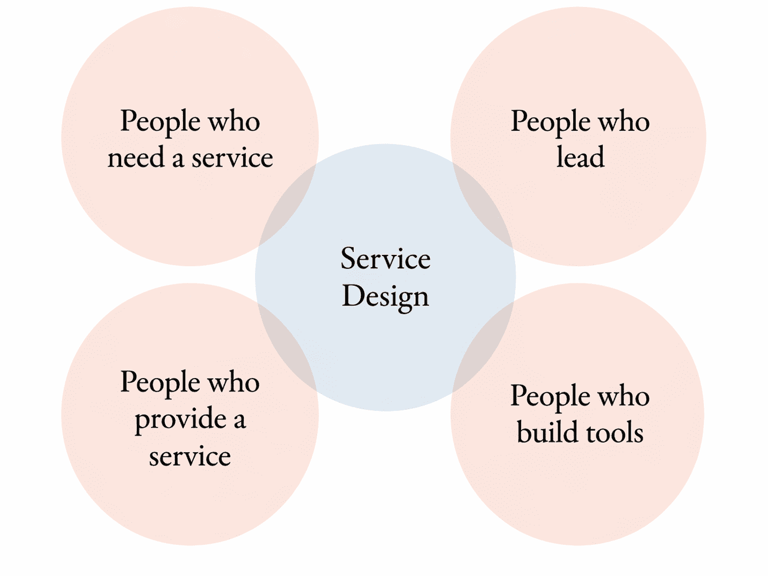
Importance of communication and collaboration between business waste service providers and businesses
From a service design perspective, communication and collaboration are the mechanisms through which the service actually functions. Without them, even well-designed systems fall apart in practice.
Understanding business waste management requirements
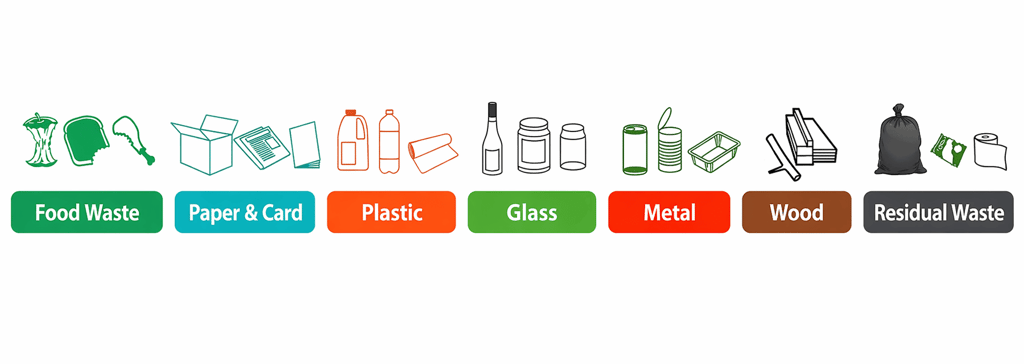
At the surface level every business produces waste, but in reality no two waste profiles are the same. A restaurant deals with high volumes of food waste and strict hygiene constraints while a construction firm handles bulky, irregular materials. The variability is huge.
This is where communication becomes a design tool. When service providers create structured ways to gather insight, onboarding conversations, site visits, or even simple feedback loops move from assumption to evidence. They begin to understand:
What types of waste are being produced
When and how often waste accumulates
Operational constraints such as space and opening hours
Compliance pressures and internal priorities
Instead of offering a standardised service, providers can co-create solutions with businesses. This could mean changing bin types or redesigning how waste is sorted on-site. Better communication reduces guesswork, and better collaboration turns insight into tailored service design.
Timely and efficient service delivery
A missed collection or unclear schedule disrupts operations, creates risk, and erodes trust quickly. Good communication ensures that expectations are explicit and shared:
When collections happen
What is collected
What happens in edge cases like overflow, contamination, or missed collections
But the real shift happens when communication becomes two-way and ongoing.
For example, when businesses can easily notify providers about changes like seasonal demand spikes, unexpected waste increases, or operational changes, providers can adapt in near real time. Collaboration here aligns planning on both sides, reducing inefficiencies like unnecessary collections or overflow issues.
Problem-solving
No waste system runs perfectly. Sometimes contamination happens, collections are missed, or regulations change. The difference between a fragile service and a resilient one is how these problems are handled. When communication is weak, issues turn into blame. Service designers should think about how to intentionally design for this kind of collaboration. This includes:
Making problems visible early through effective reporting mechanisms and data transparency
Creating shared language and understanding
Enabling joint decision-making
For example, if contamination rates are high, the solution could be retraining staff or simplifying sorting processes instead of enforcing stricter rules.
Greater sustainability
A provider can offer recycling services, but if a business doesn’t separate waste correctly, the impact is limited. Similarly, a business may want to reduce waste but without guidance or viable alternatives from the provider, progress stalls. This is another point where collaboration becomes essential.
Through ongoing communication, both sides can identify opportunities such as:
Reducing overall waste generation through process changes
Increasing recycling rates
Piloting more sustainable practices
Service providers often hold system-level knowledge, while businesses hold context-specific knowledge. When combined, this aligns incentives, behaviours, and touchpoints so sustainable choice becomes the easy, default choice.
Lack of understanding of waste management practices
When service providers don’t fully understand a business’s context, mismatches like the following start to surface:
Collection schedules that don’t align with peak waste generation
Bin types or sizes that don’t fit physical space constraints
Services that ignore specific waste streams
The result is inefficiency baked into the service from the start. Also, businesses often lack clarity on what “good” waste management looks like in practice which leads to behaviours such as:
Incorrect sorting due to unclear or overly complex guidance
Overfilled bins because capacity planning isn’t understood
Improper disposal of sensitive or hazardous materials
These carry real consequences around compliance risks and operational issues.
Ineffective lines of communication
Even when both sides have good intentions, poor communication structures can quietly undermine the entire service. This usually shows up in very practical ways:
Businesses don’t know who to contact or how
Requests or issues disappear into slow or opaque channels
Updates aren’t clearly communicated
Information is fragmented across emails, calls, and informal workarounds
Over time, people start making assumptions, workarounds emerge, and small issues escalate into bigger failures. What’s happening here is a breakdown in the service’s connective tissue. Good services make the following obvious:
How to act
When to act
What to expect next
Without this, the experience becomes inconsistent and reactive rather than predictable and reliable.
Limited collaboration in decision-making and problem-solving
Many waste services still operate on a largely transactional model: the provider delivers, the business receives. The problem is that waste management evolves with operations, regulations, and sustainability goals. When collaboration is limited:
Decisions are made without real insight into business constraints
Solutions that look good fail in practice
Repeated issues arise due to root causes not jointly explored
Businesses often have on-the-ground insights about what’s working and what isn’t. Service providers have broader system knowledge and exposure to best practices. When these perspectives don’t come together, valuable ideas never surface. If stakeholders aren’t actively involved in shaping the service, they’re less likely to engage with it, and the solutions themselves are less likely to succeed.
Service design methods to improve communication and collaboration
Let's chat about your next design project.
Phone
07826 451774
© 2025. All rights reserved.
Social